Understanding Colocation in Malaysia
As businesses increasingly shift towards digital infrastructure, server colocation has emerged as a critical solution for companies seeking reliable and scalable data management options. In Malaysia, the colocation market is booming, driven by a surge in data center investments and technological advancements. With options available across various cities, it's essential for enterprises to understand the dynamics of colocation in Malaysia to make informed decisions. When exploring options, colocation in malaysia offers comprehensive insights into local providers, infrastructure, and regulatory considerations.
What is Colocation?
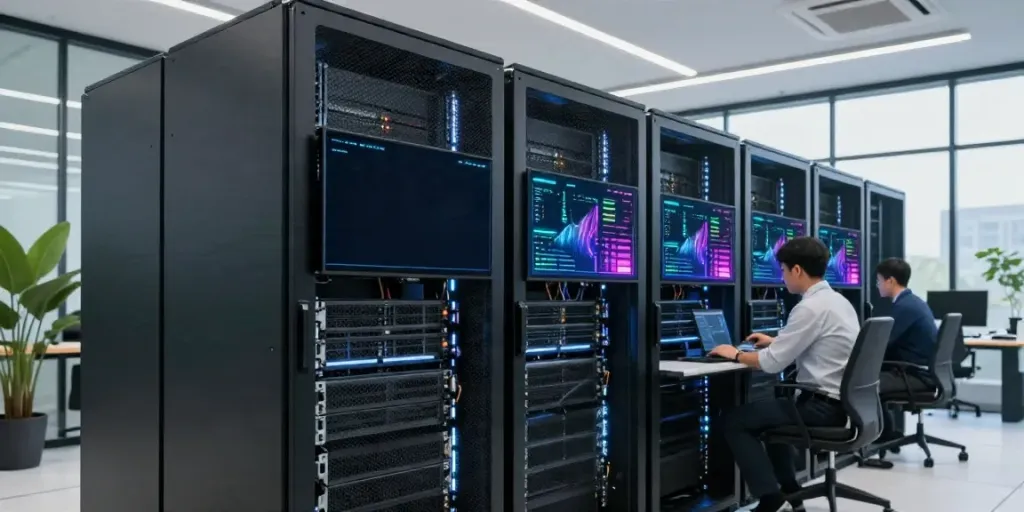
Colocation is a service that allows businesses to rent space in a third-party data center to house their servers and networking equipment. This model offers organizations the advantage of utilizing high-quality infrastructure without the hefty expenses of building and maintaining a data center. By colocating their servers, companies can enjoy robust connectivity, security, and reliability while focusing on their core business operations.
Benefits of Colocation for Businesses
- Cost Efficiency: By opting for colocation, businesses can save significantly on capital expenditures related to building and maintaining their own data centers.
- Scalability: Colocation facilities allow organizations to easily scale their services up or down based on growing business needs.
- Enhanced Security: Professional data centers offer advanced physical security measures, including surveillance, access controls, and on-site technical support.
- Improved Reliability: Colocation providers maintain robust power supplies, cooling systems, and redundant networks to ensure high uptime and reliability.
- Access to Expertise: Professional data center providers often have specialized staff who manage and monitor systems, providing further assurance of optimal performance.
Key Players in Malaysia's Colocation Market
Malaysia's colocation market is characterized by a diverse range of providers, from international giants to local companies. Major players include Reboot Monkey, which operates vendor-neutral facilities, as well as firms like Equinix and Exabytes, which offer tailored solutions to meet varied client needs. The competitive landscape is bolstered by recent investments from hyperscalers like Microsoft and Google, which are establishing significant data center footprints in the region.
Exploring Malaysia's Data Center Landscape
Primary Locations for Data Centers
Malaysia's data center landscape is primarily defined by three key locations: Cyberjaya, Kuala Lumpur, and Johor Bahru. Cyberjaya is recognized as the nation's Silicon Valley, home to a concentration of tech companies and supported by the MSC Malaysia status, which provides incentives for ICT businesses. Kuala Lumpur serves as a commercial hub with growing data center presence, while Johor Bahru, particularly Iskandar Puteri, is emerging rapidly as a hyperscaler growth zone.
Cyberjaya vs. Kuala Lumpur: Which is Better?
Choosing between Cyberjaya and Kuala Lumpur for colocation hinges on various factors including strategic business needs, infrastructure requirements, and financial constraints. Cyberjaya’s MSC status offers incentives like tax breaks and grants, making it attractive for technology firms. In contrast, Kuala Lumpur boasts superior connectivity and accessibility, serving as a gateway to the ASEAN market, which could be vital for businesses planning international expansion.
Emerging Zones: Johor Bahru and Iskandar Puteri
Johor Bahru, particularly Iskandar Puteri, is witnessing significant growth as a data center hub. With investments from global giants totaling over MYR 100 billion, the area is poised for rapid development, making it an alluring destination for companies looking to establish their IT infrastructure in a cost-effective manner while leveraging low power costs and extensive support services.
Competitive Advantages of Malaysian Colocation
Cost Efficiency Compared to Singapore
One of the most compelling reasons for choosing Malaysian colocation services is the cost efficiency. Malaysia's power costs are approximately 40% lower than those in Singapore, making it an attractive hub for high-density workloads such as AI and GPU computing. The significant savings can translate into millions over a long-term contract, thereby enhancing the return on investment for businesses.
Infrastructure and Technological Advancements
Malaysian colocation facilities are increasingly equipped with advanced technological features, including AI-ready infrastructure, state-of-the-art cooling systems, and high-speed connectivity options. Providers are continually investing in their facilities to ensure that they meet the demands of contemporary IT workloads, setting Malaysia apart as a competitive player in the APAC region.
Investment Trends and Future Outlook
The future of colocation in Malaysia looks promising, particularly against the backdrop of the Malaysia Digital Economy Blueprint 2030. Investments from major cloud service providers signal a burgeoning demand for data center services that will only accelerate as more enterprises digitize their operations. Analysts predict a continuous uptick in the colocation market, driven by technological advancements and the growing importance of data sovereignty.
Legal and Compliance Considerations
Understanding PDPA and Its Impact
The Personal Data Protection Act (PDPA) 2010 is a critical legal framework that governs data protection in Malaysia. For businesses engaging in colocation, understanding PDPA compliance is paramount, especially for industries handling sensitive data. The act mandates that certain data must be stored onshore, making Malaysian colocation not merely a preference but a legal necessity for compliance-focused enterprises.
Data Residency Requirements for Enterprises
Data residency is a significant consideration for businesses operating in regulated sectors. Malaysia’s stringent data residency laws necessitate that businesses house their critical data within the country. This has further propelled the demand for local colocation services, ensuring that enterprises comply with legal requirements while optimizing their data management strategies.
Cybersecurity Standards in Malaysian Data Centers
As cyber threats become increasingly sophisticated, Malaysian data centers are prioritizing robust cybersecurity measures. Many providers adhere to international certifications such as ISO 27001 and PCI DSS, ensuring that their infrastructure meets rigorous security standards. This focus on cybersecurity helps businesses mitigate risks associated with data breaches and cyberattacks.
Frequently Asked Questions About Colocation in Malaysia
What is the process to choose a colocation service provider?
Selecting the right colocation service provider requires careful consideration of various factors, including the facility’s location, scalability options, security features, and service level agreements. Start by evaluating providers based on your specific business needs and financial constraints, and consider visiting the facilities for a first-hand assessment.
How does power pricing influence colocation decisions?
Power pricing is a critical factor affecting colocation decisions, especially for businesses with high energy consumption. Malaysia’s competitive power rates can lead to substantial savings over time, making it an attractive option for organizations with intense computational requirements.
Are there tax incentives for data center operations in Malaysia?
Yes, the Malaysian government offers various tax incentives for companies operating within the MSC Malaysia framework. These incentives can significantly enhance the financial attractiveness of establishing data center operations in the country.
What kind of support can I expect from colocation providers?
Colocation providers typically offer a range of support services, including 24/7 technical support, remote hands services, and proactive monitoring. When choosing a provider, it’s essential to review their service level agreements (SLAs) to understand the extent of the support you can expect.
Can I scale my colocation services as my business grows?
Absolutely. Most colocation providers offer flexible solutions that allow businesses to scale their services based on current needs. This scalability is one of the key benefits of colocation, enabling companies to adapt to changing requirements without significant capital investment.